Outdoor lighting has become an essential part of modern home design, improving not only the appearance of a property but also its security, safety, and functionality. Among today's most efficient outdoor lighting solutions, the solar light motion detection sensor has become a favorite for homeowners because it combines renewable solar energy with intelligent motion sensing technology.
Unlike traditional wired security lights that consume electricity every night, solar motion sensor lights collect free energy from the sun during the day and automatically illuminate only when movement is detected after dark. This intelligent operation helps reduce electricity costs, extends battery life, and provides bright illumination exactly when and where it is needed.
Whether you want to improve security around your driveway, brighten your backyard, illuminate a garden path, or make your front entrance safer, a quality solar motion sensor light offers an environmentally friendly and cost-effective solution.
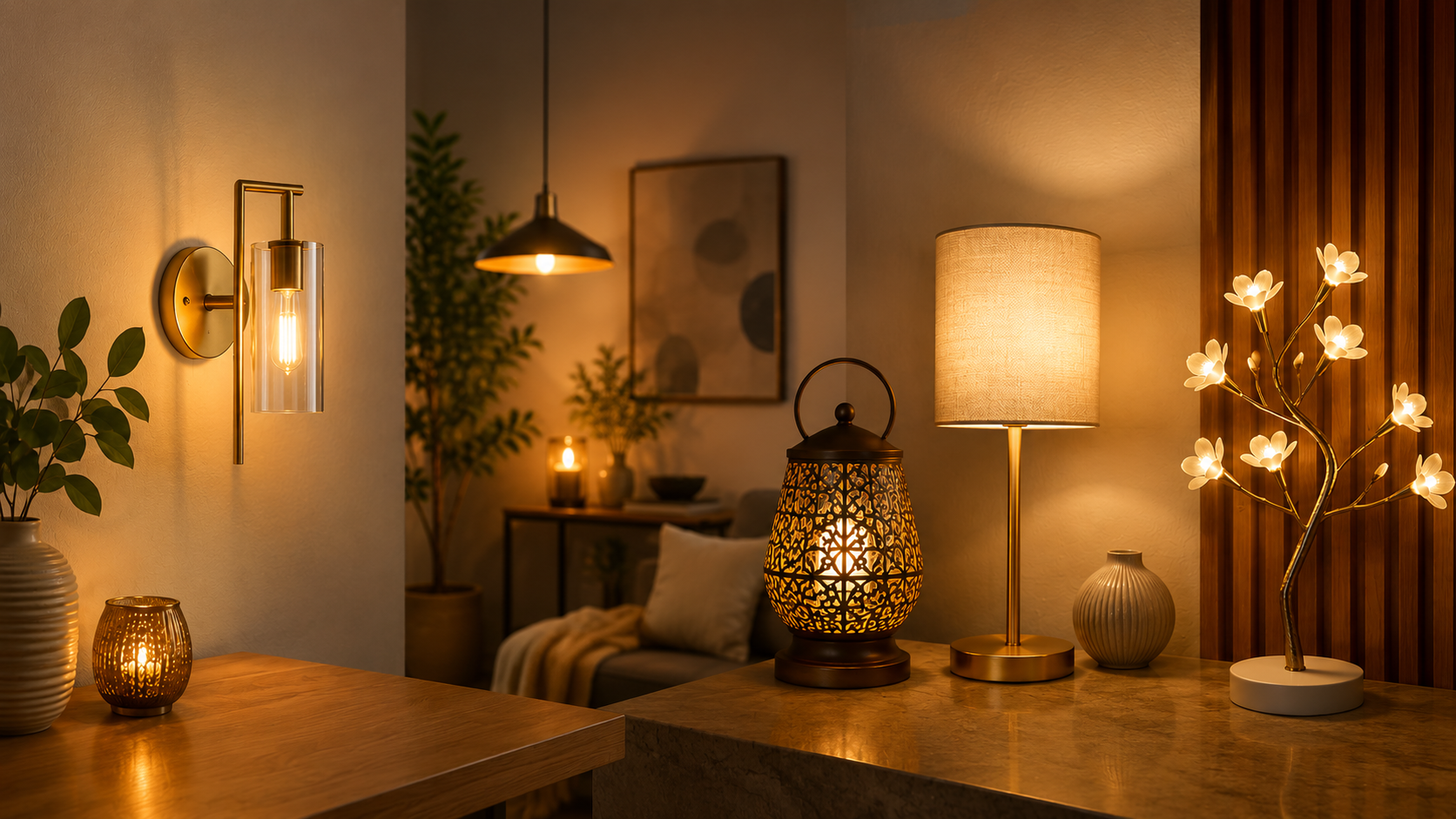
If you're looking for premium decorative and outdoor lighting, explore our latest collection at Nooriva Light, where you'll find stylish lighting solutions designed for durability, energy efficiency, and modern outdoor living.

A solar light motion detection sensor is an advanced outdoor lighting system that combines solar energy generation, rechargeable battery storage, LED lighting, and automatic motion detection into one intelligent device.
Instead of relying on your home's electrical system, these lights use photovoltaic solar panels to collect sunlight during the day. The captured energy is stored inside rechargeable batteries and later used to power the LED light whenever movement is detected after sunset.
Because they operate independently from the electrical grid, they require no complicated wiring, no electrical outlets, and no monthly electricity costs. This makes them one of the easiest outdoor lighting upgrades for homeowners looking to improve security while reducing energy consumption.
Every solar motion sensor light consists of several essential components working together.
| Component | Function |
|---|---|
| Solar Panel | Collects sunlight and converts it into electricity. |
| Rechargeable Battery | Stores solar energy for nighttime operation. |
| PIR Motion Sensor | Detects movement using infrared technology. |
| LED Light | Provides bright and energy-efficient illumination. |
| LUX Sensor | Detects ambient light levels to distinguish day from night. |
| Controller | Manages charging, battery protection, and automatic lighting. |
Together, these components create a fully automated lighting system capable of operating year after year with minimal maintenance.
Understanding how a solar motion light works makes it much easier to choose the right model and install it correctly. Although the technology appears sophisticated, the operating process follows four simple stages.
Throughout the day, the photovoltaic solar panel absorbs sunlight and converts solar radiation into Direct Current (DC) electricity.
Modern monocrystalline solar panels commonly achieve conversion efficiencies between 20% and 35%, allowing them to charge batteries quickly even during shorter winter days.
The amount of electricity generated depends on several factors including panel quality, installation angle, weather conditions, and the number of hours of direct sunlight received each day.

Once electricity has been generated, it flows into a rechargeable battery located inside the light fixture.
Most premium models use either Lithium-Ion (Li-ion) or Lithium Iron Phosphate (LiFePO4) batteries because they offer long service life, fast charging, and excellent performance across varying temperatures.
The stored energy remains available until nightfall when the lighting system becomes active.
A built-in LUX sensor continuously measures the surrounding brightness.
During daylight hours, the controller keeps the LED light switched off while charging continues. As natural light levels decrease after sunset, the controller automatically activates motion detection mode.
This ensures the battery is never wasted during daytime.
Once darkness arrives, the Passive Infrared (PIR) sensor begins monitoring the surrounding area for movement.
When a person, pet, or vehicle enters the detection zone, the sensor immediately detects changes in infrared radiation and signals the controller to switch on the LED light at full brightness.
After a preset period without further movement—typically between 15 and 30 seconds—the light automatically dims or turns off, preserving battery power for the rest of the night.
| Stage | System Activity |
|---|---|
| Morning | Solar panel collects sunlight. |
| Afternoon | Battery stores electrical energy. |
| Sunset | LUX sensor activates motion monitoring. |
| Night | PIR sensor continuously scans for movement. |
| Motion Detected | LEDs instantly illuminate the area. |
| No Motion | Light automatically turns off to conserve energy. |
Solar motion sensor lighting has become one of the fastest-growing outdoor lighting solutions because it delivers outstanding performance while remaining environmentally responsible.
Beyond their practical advantages, solar motion lights also improve curb appeal by creating a welcoming and professionally illuminated outdoor environment.
The solar panel is the heart of every solar light motion detection sensor. Its primary role is to capture sunlight and convert it into electrical energy that charges the rechargeable battery. The quality of the solar panel has a direct impact on charging speed, nighttime performance, and the overall lifespan of the lighting system.
Even the brightest LED light cannot perform well if the solar panel cannot efficiently harvest enough energy during the day. For this reason, understanding solar panel technology is essential when comparing different outdoor solar lights.

Solar panels contain photovoltaic (PV) cells made from silicon. When sunlight reaches these cells, photons excite electrons inside the silicon, creating an electrical current. This Direct Current (DC) electricity is then regulated and stored inside the rechargeable battery.
This entire process occurs automatically every day without producing emissions, noise, or ongoing electricity costs.
| Solar Panel Type | Efficiency | Advantages | Recommended Use |
|---|---|---|---|
| Monocrystalline Silicon | 20–35% | Highest efficiency, faster charging, longer lifespan | Premium security lighting |
| Polycrystalline Silicon | 15–20% | Affordable, reliable, durable | Residential outdoor lighting |
| Amorphous Silicon | 10–15% | Performs better in cloudy conditions | Decorative garden lights |
Monocrystalline panels are manufactured from a single crystal of silicon, allowing electrons to move more efficiently through the material. As a result, they generate more electricity using the same surface area than other panel types.
They perform exceptionally well during winter months and on shorter daylight hours, making them the preferred option for premium solar motion sensor lights.
Polycrystalline panels are manufactured using multiple silicon crystals. Although slightly less efficient than monocrystalline technology, they remain highly reliable while offering a lower manufacturing cost.
Many residential solar lights use this technology because it balances performance and affordability.
Thin-film or amorphous silicon panels are lightweight and flexible but generally produce less electricity. They are more commonly found in decorative lighting where brightness requirements are lower.
When comparing outdoor solar lights, many buyers focus only on brightness. However, the solar panel determines how much energy is available after sunset. A better solar panel often delivers better real-world performance than simply choosing the highest lumen rating.
If your property experiences cloudy weather or shorter winter days, investing in a higher-quality solar panel can dramatically improve charging performance and battery runtime.
The effectiveness of a solar panel depends heavily on where it is installed. Ideally, it should receive between four and six hours of direct sunlight each day without being shaded by nearby trees, walls, or roof overhangs.
Whenever possible, position the panel facing south in the Northern Hemisphere to maximize daily sun exposure.

Despite their popularity, solar lighting products are often misunderstood. Understanding the facts helps you make a more informed purchasing decision.
Solar panels continue generating electricity even under cloudy skies. While charging efficiency decreases, modern panels still collect enough energy to provide useful nighttime lighting.
Brightness alone does not determine overall performance. A poorly designed light with an undersized solar panel may produce intense brightness for only a short period before the battery becomes depleted.
Although maintenance requirements are minimal, occasional cleaning of the solar panel and inspection of the battery significantly improve long-term performance.
Winter simply reduces available charging time. Quality solar lights equipped with efficient panels and large-capacity batteries continue to operate reliably throughout colder seasons.
Modern PIR motion sensors consume extremely little power while waiting for movement. In fact, motion activation extends battery life because the LEDs remain off until illumination is actually needed.
Expert Tip: A premium monocrystalline solar panel combined with a high-capacity lithium battery delivers the most reliable year-round performance for outdoor security lighting.
Now that you understand how solar panels collect and store energy, the next step is learning about the battery system that powers your solar light throughout the night. Battery capacity, chemistry, and charging performance all play an important role in determining brightness, runtime, and long-term reliability.
Continue reading to discover how different battery technologies influence outdoor lighting performance and which battery type offers the best value for residential solar motion sensor lights.
The rechargeable battery is the energy storage system of a solar light motion detection sensor. During the day, the solar panel converts sunlight into electricity and stores that energy inside the battery. After sunset, the battery supplies power to the LED light whenever motion is detected.
A high-quality battery ensures brighter illumination, longer runtime, and reliable performance throughout the year. While many shoppers focus on lumens, battery quality has an even greater impact on the overall user experience.

| Battery Type | Average Lifespan | Performance | Best For |
|---|---|---|---|
| Lithium-Ion (Li-ion) | 2–5 Years | Excellent | Residential Outdoor Lighting |
| Lithium Iron Phosphate (LiFePO4) | 5–10 Years | Outstanding | Premium Solar Lights |
| Nickel Metal Hydride (NiMH) | 1–3 Years | Good | Budget-Friendly Models |
Battery capacity is measured in milliampere-hours (mAh). A higher capacity allows the light to operate longer throughout the night while supporting more motion activations.
| Capacity | Typical Runtime | Recommended Application |
|---|---|---|
| 800–1200 mAh | 4–6 Hours | Decorative Lighting |
| 1500–2000 mAh | 6–10 Hours | Walkways & Small Gardens |
| 2000–3000 mAh | 10–15 Hours | Driveways & Backyards |
| 3000+ mAh | 15–24 Hours | Commercial Security Lighting |
The motion sensor is what makes these lights intelligent. Rather than staying illuminated all night, the light activates only when movement is detected, reducing energy consumption while improving outdoor security.
PIR stands for Passive Infrared. These sensors detect changes in infrared radiation produced by warm objects such as people, pets, and vehicles.
Because PIR sensors do not emit any signals, they consume extremely little battery power while waiting for movement.
Microwave sensors continuously emit low-power microwave signals and measure changes in reflected waves to detect movement.
They provide wider coverage but consume more battery power than PIR sensors.
| Feature | PIR | Microwave |
|---|---|---|
| Detection Method | Infrared Heat | Microwave Reflection |
| Battery Consumption | Very Low | Higher |
| False Alarms | Low | Moderate |
| Coverage | 120°–180° | Up to 360° |
| Best Application | Residential Homes | Commercial Buildings |
Expert Recommendation: For most homeowners, PIR technology offers the ideal balance between reliability, energy efficiency, and affordable pricing.
Brightness is measured in lumens, not watts. The higher the lumen output, the brighter the light appears.
Choosing the correct brightness depends on where the light will be installed and the level of illumination you require.
| Application | Recommended Lumens |
|---|---|
| Decorative Garden Lighting | 100–300 LM |
| Walkways & Pathways | 300–600 LM |
| Patios | 500–800 LM |
| Driveways | 700–1200 LM |
| Garage Entrances | 800–1500 LM |
| Security Flood Lights | 1500–2500 LM |
Rather than choosing the brightest available light, consider installing multiple medium-brightness fixtures around your property. This often provides better coverage while reducing harsh shadows.
Detection performance depends on two important specifications: the maximum detection distance and the field of view.
| Distance | Ideal Location |
|---|---|
| 10–16 Feet | Porches & Steps |
| 16–26 Feet | Walkways |
| 26–40 Feet | Driveways |
| 40–50+ Feet | Large Properties |
| Angle | Coverage |
|---|---|
| 90° | Narrow Coverage |
| 120° | Standard Residential |
| 180° | Wide Coverage |
| 270° | Extra-Wide Coverage |
| 360° | Maximum Coverage |
For most residential installations, a motion sensor offering a 180° detection angle with a range of approximately 26 feet provides excellent performance.
Outdoor solar lights are constantly exposed to rain, dust, snow, heat, and changing weather conditions. The IP (Ingress Protection) rating indicates how well the fixture resists water and dust.
| IP Rating | Protection Level | Recommended Use |
|---|---|---|
| IP44 | Splash Resistant | Covered Outdoor Areas |
| IP65 | Rain & Dust Resistant | Most Residential Applications |
| IP66 | Heavy Rain Protection | Exposed Outdoor Locations |
| IP67 | Temporary Water Immersion | Extreme Weather Conditions |
For reliable year-round performance, choose a solar motion light with a minimum waterproof rating of IP65.
The charging performance of a solar light motion detection sensor depends on several factors, including the quality of the solar panel, battery capacity, weather conditions, and the number of hours of direct sunlight received each day.
Under ideal conditions, most premium solar motion lights require between six and eight hours of direct sunlight to fully charge the battery. Once fully charged, they can provide reliable illumination throughout the night while activating hundreds of times whenever motion is detected.
| Weather Conditions | Estimated Charging Time |
|---|---|
| Bright Sunny Day | 6–8 Hours |
| Partly Cloudy | 8–10 Hours |
| Overcast Weather | 10–14 Hours |
| Heavy Cloud Cover | May Require Multiple Days |
Remember that charging continues whenever sunlight reaches the solar panel, even during cloudy weather. Although charging efficiency decreases, modern high-efficiency solar panels can still generate useful amounts of electricity.
Runtime varies depending on battery size, brightness level, motion frequency, and weather conditions.
| Battery Capacity | Typical Night Runtime |
|---|---|
| 1200 mAh | 4–6 Hours |
| 2000 mAh | 8–12 Hours |
| 3000 mAh | 12–18 Hours |
| 4000+ mAh | Up to 24 Hours* |
*Actual runtime depends on the selected lighting mode and the number of motion activations.
One of the biggest advantages of solar motion sensor lights is their simple installation. Unlike wired security lighting, there is no need to hire an electrician or install underground electrical cables.
Most homeowners can complete the installation in less than 30 minutes using only basic household tools.

Install the light where the solar panel receives at least four to six hours of direct sunlight every day. Avoid placing the fixture beneath trees, roof overhangs, or other objects that cast long shadows.
Before drilling holes, temporarily position the light and walk through the detection zone to ensure it covers the desired area.
Use the supplied mounting bracket to mark the screw positions. Verify that the bracket is level before drilling.
Install wall anchors when mounting on brick, concrete, or stone surfaces. Secure the bracket firmly using corrosion-resistant screws.
Position the panel toward the direction that receives the most sunlight during the day. Adjustable panels allow seasonal angle adjustments for improved charging.
After installation, allow the battery to charge fully before testing nighttime performance. Walk through the detection area and verify that the light activates correctly.
Strategic placement greatly improves both security and convenience.
| Location | Recommended Brightness | Main Purpose |
|---|---|---|
| Front Door | 500–800 Lumens | Safe Entry |
| Driveway | 700–1200 Lumens | Vehicle Visibility |
| Garage | 800–1500 Lumens | Security |
| Garden | 300–600 Lumens | Decorative Lighting |
| Walkway | 300–500 Lumens | Safe Navigation |
| Backyard | 1000+ Lumens | General Security |
| Fence | 700–1200 Lumens | Perimeter Protection |
Solar motion lights require very little maintenance, but regular cleaning helps maximize charging efficiency and battery life.
If you're planning to upgrade your outdoor space, explore our complete range of premium lighting products designed for modern homes.
Even the best solar light motion detection sensors can occasionally experience performance issues. Fortunately, most problems are easy to diagnose and resolve without replacing the entire unit. Regular inspection and proper maintenance can keep your outdoor lighting operating efficiently for many years.
| Problem | Possible Cause | Recommended Solution |
|---|---|---|
| Light does not turn on | Insufficient sunlight or discharged battery | Place the solar panel in direct sunlight and allow a full day of charging. |
| Light is dim | Dirty solar panel or aging battery | Clean the panel and replace the battery if necessary. |
| Motion sensor not detecting movement | Incorrect installation height or blocked sensor | Clean the sensor and adjust the mounting position. |
| Light turns on during the day | LUX sensor blocked or faulty | Clean the sensor and remove nearby obstructions. |
| Short nighttime runtime | Limited daily charging or battery degradation | Increase sun exposure or replace the rechargeable battery. |
| Frequent false activation | Moving branches, pets or nearby traffic | Reposition the sensor away from unnecessary movement. |
Choosing a high-quality solar motion light significantly reduces these limitations while providing years of reliable outdoor lighting.
Choosing the right solar light motion detection sensor involves much more than comparing prices. The best model depends on where it will be installed, how much light you need, and how frequently motion will occur.
| Location | Recommended Brightness |
|---|---|
| Front Entrance | 500–800 Lumens |
| Driveway | 700–1200 Lumens |
| Garage | 1000 Lumens+ |
| Garden | 300–500 Lumens |
| Large Backyard | 1500 Lumens+ |
One of the greatest advantages of solar motion sensor lighting is its ability to operate without consuming electricity from your home. Every day, the integrated solar panel converts renewable sunlight into clean energy, eliminating ongoing operating costs.
Because the light activates only when motion is detected, battery energy is conserved throughout the night. This intelligent operation reduces unnecessary light pollution while extending both battery life and LED lifespan.
By choosing solar-powered outdoor lighting, homeowners reduce their environmental impact while enjoying dependable security lighting every evening.
Outdoor lighting plays an important role in protecting residential properties. Motion-activated lighting immediately illuminates dark areas whenever movement is detected, helping homeowners identify visitors while discouraging unwanted activity.
Installing lights around entrances, garages, fences, pathways, patios, and driveways creates multiple illuminated zones that increase visibility throughout your property.
Although no lighting system can completely prevent crime, a well-lit exterior significantly improves visibility and helps create a safer outdoor environment.
Quality models typically last between five and ten years, while LED bulbs often exceed 50,000 operating hours.
Yes. Charging efficiency may decrease due to shorter daylight hours, but quality solar panels continue generating electricity.
Yes. Charging is slower but still occurs under indirect sunlight.
IP65 is recommended for most residential installations.
Between 6 and 10 feet depending on the detection range.
Most premium models allow battery replacement, extending the product's lifespan.
Between 700 and 1500 lumens for most residential applications.
Approximately once each month or whenever dirt accumulates.
Yes. Most PIR sensors detect medium and large animals as well as people.
Many models include dim lighting modes that provide continuous illumination while increasing brightness when motion is detected.
A high-quality solar light motion detection sensor is one of the smartest upgrades you can make to improve outdoor safety, security, and energy efficiency. By combining advanced LED technology, renewable solar energy, intelligent motion detection, and weather-resistant construction, these lighting systems provide dependable illumination with virtually no operating costs.
Whether you're lighting a driveway, garden, garage, patio, walkway, or backyard, selecting a model with an efficient solar panel, a reliable lithium battery, and a sensitive PIR motion sensor will deliver years of dependable performance.
If you're ready to enhance your outdoor space with premium decorative and security lighting, explore the complete collection available at Nooriva Light. You'll discover stylish outdoor lighting designed to combine performance, durability, and modern design for every home.


